
What Is A Blog? The Most Powerful Revenue Engine

What is a blog if not the ultimate bridge between a search engine’s algorithm and a reader’s need for a solution?
While many believe the medium has been eclipsed by social media, the reality is that the modern blog has quietly evolved into a sophisticated revenue engine and a primary broker of trust.
It’s the only platform that allows a creator to capture high-intent traffic from the world’s most powerful search engines and transform that raw attention into a stable, scalable online business.
What Is A Blog?
In this article we’re moving beyond the idea of web-logging to explore:
1. Definition
2. Brief history
3. Website Vs blog
4. Blog structure
5. The blog as a middleman concept
6. Different types of blog
7. Blog content formats
8. The blog revenue engine
9. How to start a blog
10. Psychology of the reader
11. The future of blogging
Conclusion
Recommended articles
Disclaimer: This article contains affiliate links. If you sign up for a paid plan through my links, I may receive small compensation at no cost to you. You can read my affiliate disclosure by going to my privacy policy. This blog is for informational purposes only and does not constitute financial advice.
1. What Is A Blog: Definition
To understand what is a blog today, we have to look past the surface-level definition.
In most dictionaries, it’s defined as:
“A regular record of your thoughts, opinions, or experiences that you put on the internet for other people to read.“
However, in the blogging world, this definition isn’t just incomplete.
It’s obsolete.
Because it describes what a blog was back in 2004, but ignores what it has become.
Today, a blog is a content ecosystem that plays a multifaceted role in the modern information economy.
Dynamic Content Ecosystem
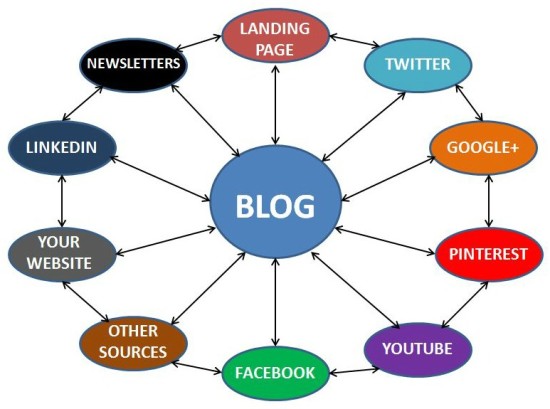
Unlike a static website, which acts as a digital brochure, a blog is a living organism.
It’s an ecosystem because it doesn’t exist in isolation.
– Source: adaptive-business
A single post is the centre of a spider web that connects to other articles, social media, email newsletters, search engine algorithms, and consumer shopping habits.
We call it dynamic because it’s constantly re-evaluating its own relevance.
A modern blog isn’t just a place where words go to sit, it’s a platform where content is updated.
It reacts to news cycles, seasonal trends, and shifts in audience data.
Searchable Archive Of Expertise
In the early days, you would read a blog post, and on the next day it will be buried under a new one.
Today, a blog is a permanent knowledge asset.
Blogs are now built for the searcher, not just the subscriber.
By categorizing and tagging information, it becomes a library of expertise that works for the content creator 24 hours a day.
When user types a question into a search engine, they aren’t looking just for an article.
They’re looking for a solution.
The blog, therefore, is the infrastructure that houses those solutions.
It turns bloggers’ thoughts into a searchable, evergreen database of authority.
The “Front Door” For Businesses & Creators
For millions of businesses, the home page is no longer the primary entry point for customers.
Instead, the blog post is the front door.
Think about your own behaviour.
You rarely visit a company’s homepage just to see what they’re up to.
Instead, you find them because you searched for a specific problem.

– Source: Google
For example:
- How to fix a leaky faucet?
- Best budget laptops for students?
- Or what is a blog?
The blog post is the handshake.
It’s the first point of contact that builds trust before a transaction ever occurs.
By providing value for free, the blog lowers the reader’s guard.
It transforms a cold stranger into a warm lead.
In this sense, the blog has transitioned from a personal diary into the primary customer acquisition tool for today’s digital economy.
It’s the middleman that greets the customer, educates them, and eventually guides them toward a purchase.
Thinking of starting your own blog?
Start with Bluehost today and save 60% on your web hosting.
2. The Evolutions Of Blogging
The journey of the blog is a direct mirror of the journey of the internet itself.
To truly grasp the complexity of what is a blog today, we must view it as an ever evolving organism that adapts to the changing needs of the online users.
We can categorize this transformation into four distinct eras:
The Era Of The Digital Diary (1994–2002)
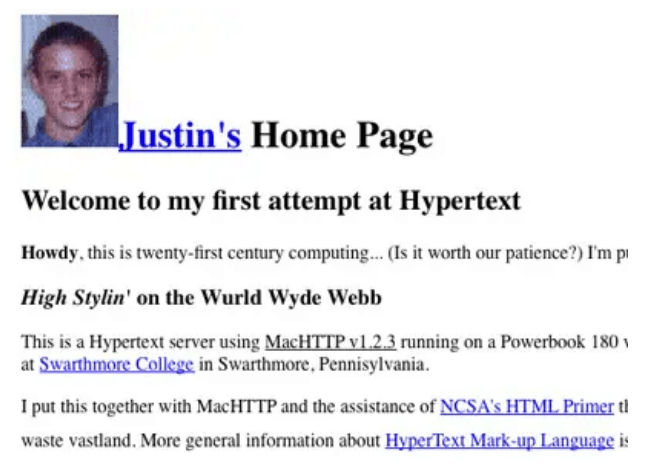
The first blog is widely credited to Justin Hall, who launched Links.net in 1994.
In this primitive stage, the content was raw, unedited, and deeply personal.
– Source: businessinsider
There was no concept of Search Engine Optimization (SEO) or content marketing.
People wrote because they had something to say, not something to sell.
During this time, the terminology was still being forged.
The term weblog was coined by Jorn Barger in 1997 and eventually shortened to blog by Peter Merholz in 1999.
Back then, if you asked a developer what is a blog, they would describe it as a digital log of one’s journey through the World Wide Web.
The Rise Of WordPress (2003–2010)
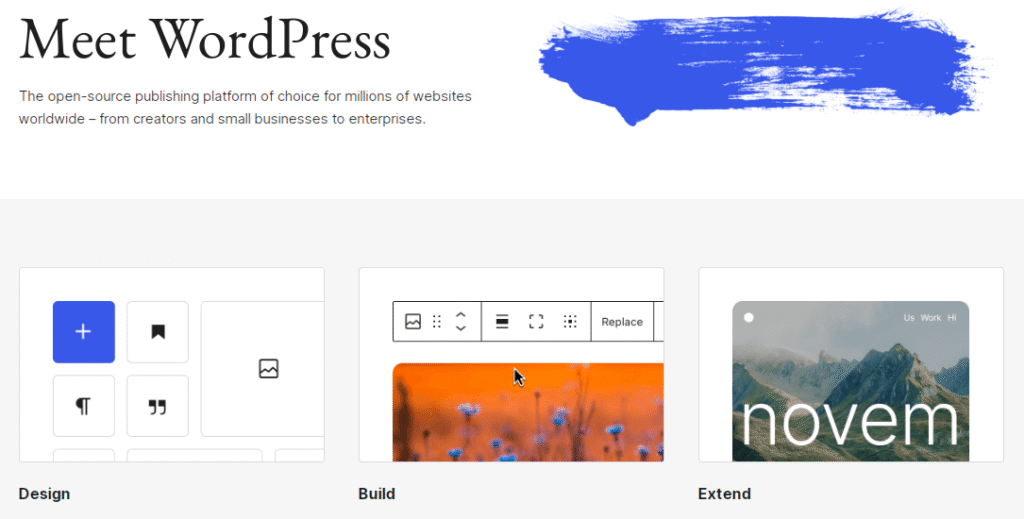
The launch of WordPress in 2003 served as the Great Democratization of the medium.
Suddenly, the technical barriers to entry were demolished.
You no longer needed to be a coder or a computer scientist to publish your thoughts to a global audience.
This era saw the birth of the niche blogging.
Savvy bloggers realized they could attract massive, loyal audiences by focusing on specific interests like technology or political commentary.
The blogs transitioned from a simple diary entry into a powerful journalistic tool, capable of breaking news faster than traditional media outlets.
Public’s understanding of what is a blog shifted toward a professionalized format – a specialized publication that could rival magazines in both influence and readership.
The Monetization Revolution (2011–2019)
During this pivotal period bloggers realized that the trust they had cultivated with their audience was an asset worth more than gold to advertisers.
The blog moved away from expression and toward strategic conversion.
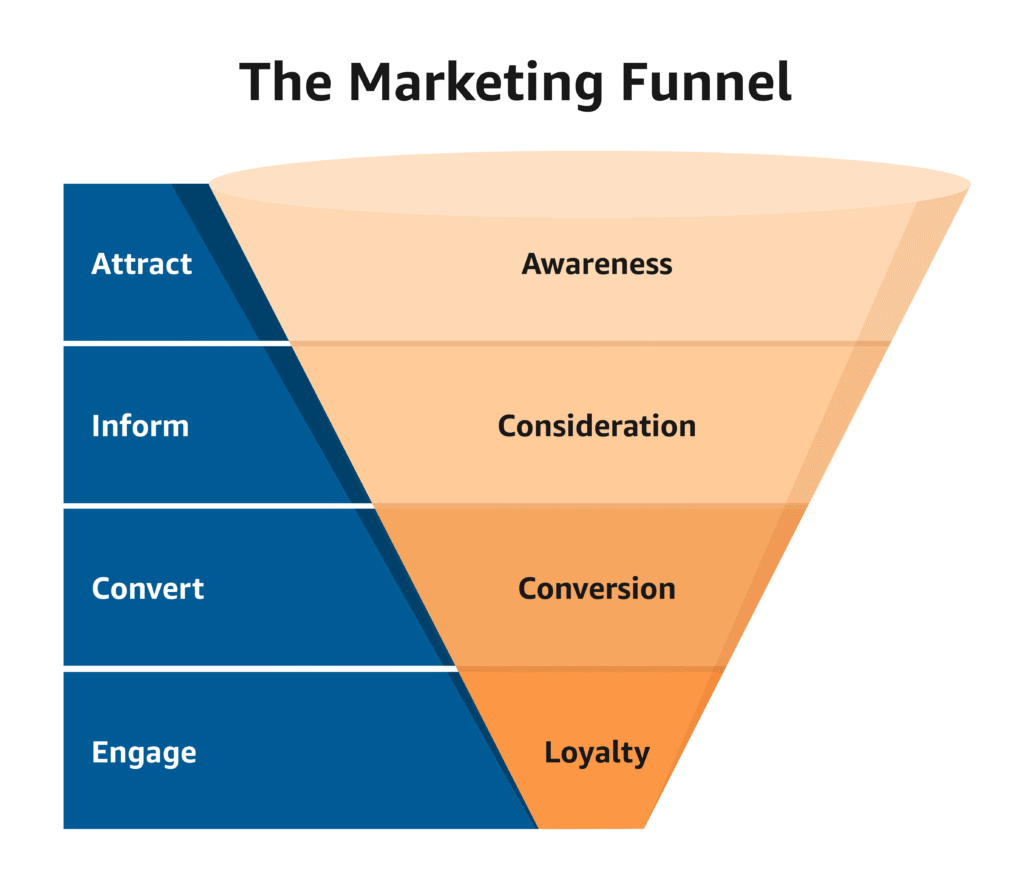
It became a marketing funnel where influencer marketing and affiliate links turned hobbyists into six-figure entrepreneurs.
– Source: amazon
The focus shifted toward search intent.
It was the art of writing content specifically to answer the questions people were typing into Google.
During this decade, the answer to the question what is a blog became directly linked to commerce.
It was now a bridge that connected consumer problems with solutions offered by businesses, allowing the blogger to sit in the middle as a trusted advisor and a powerful affiliate partner.
The Authority & AI Era (2020–Present)
In the current landscape, a blog is a high-stakes, multi-media asset.
With the recent explosion of AI-generated content, the definition of quality has shifted.
Search engines and audiences alike are now looking for E-E-A-T:
- Experience
- Expertise
- Authoritativeness
- Trustworthiness
A blog are no longer just a collection of text.
It’s a comprehensive resource centre, often integrated with video, podcasts, and interactive data sets.
The modern day blogger acts as the ultimate filter, sifting through the noise of AI-generated fluff to provide real, human-verified value.
Today, what is a blog has been redefined as an authoritative media brand that serves as the gatekeeper between the vast amount of information on the internet and the specific, high-intent needs of the audience.
Are you ready to start a blog?
Start with Bluehost today and save 60% on your web hosting.
3. Blog Vs Website: Key Differences
One of the most common points of confusion for beginners is the difference between a blog and a website.
These terms are often used interchangeably, but from a strategic and technical standpoint, they serve entirely different purposes.
To visualize this, think of your digital presence as a physical property.
The website represents the architecture and structure of your online presence.
It’s the house.

A house has rooms that serve permanent functions like kitchen, bedroom, or a foyer.
On a website, these are your static pages, such as the About Us, Services, or Contact pages.
These pages rarely change because the core facts about who you are and how people can reach you remain the same.
However, a house without people or activity is just an empty shell.
It exists, but it doesn’t do anything.
The blog is the conversation.
The blog is the activity, and the conversation happening inside that house.
It’s the part of the website that is constantly updated with new blog posts.
While the structure (the website pages) stays the same, the dialogue (the blog) is fresh, topical, and evolving.
Every time you publish a post, you’re opening a window and inviting the world to hear what’s happening inside.
Therefore, a blog transforms a static piece of digital real estate into a destination.
Why This Distinction Matters For Search Engines?
Search engines like Google aren’t interested in “empty houses”.
If your website only consists of five static pages that never change, the search engine crawlers will eventually stop visiting.
They assume the house is abandoned.
The blog, however, acts as a signal of life.
Each new post is a new reason for a search engine to index your site and a new reason for a reader to visit.
Ready to start a blog?
Start with Bluehost today and save 60% on your web hosting.
4. Blog Structure
Every high-performing blog is built on a specific blueprint that balances user experience with technical efficiency.
When we strip away the website’s design, we find a very consistent structure.
The layout isn’t accidental.
It’s a fine-tuned system designed to guide the reader from curiosity to conversion while satisfying the requirements of search engine algorithms.
The Header
The header is the first thing a visitor sees.
It’s the billboard of the digital property.
This area houses the branding, the logo, and the primary navigation menu of a blog.

The header serves as the ultimate orientation tool.
It tells the reader exactly who you’re and where they can find the most valuable information.
Without a clear header, the user is lost, and the search engine struggles to understand the site’s hierarchy.
The Content Area
This is the main stage, the specific area where the blog posts live.
It’s the engine of the entire operation.
Here the blogger performs the role of the middleman, delivering the in-depth information the audience is searching for.
The content area is designed for readability, often utilizing:
- Large fonts.
- Ample white space.
- Clear subheadings to allow skimming.
Because this is the most valuable real estate on the page, it’s also where the search engine focuses its attention.
To understand what is a blog, you must recognize that the content area is the site’s reason for existing, the space where the search intent meets a human solution.
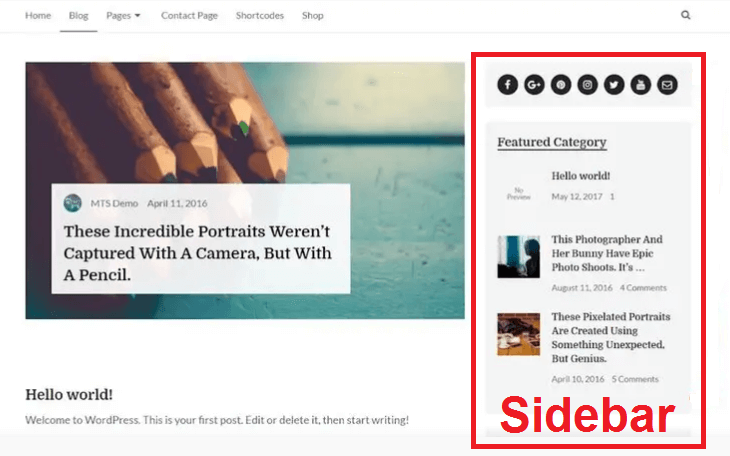
The Sidebar
While the content area provides the information, the sidebar is where the middleman activities typically take place.
This vertical column is often used for newsletter signups, most popular post lists, and strategic adverts.
– Source: WordPress
It’s a secondary layer of engagement that keeps the reader moving through the site’s ecosystem.
The sidebar acts as a bridge to further monetization and community growth.
The Footer
Located at the very bottom of the page, the footer is often overlooked, but it’s essential for establishing authority.

It contains:
- Legal disclaimers
- Privacy policies
- Copyright information
- Contact details
In an era where search engines prioritize trustworthiness, the footer is a critical component of a blog’s reputation.
It proves to the world that the site is a legitimate business entity.
The footer is the part that distinguishes a high-authority site from a low-quality spam page, providing the fine print that builds user confidence.
The Comment Section
Finally, the comment section represents the social aspect of a blog.
This is the interactive space where the community engages with the blogger and with each other.
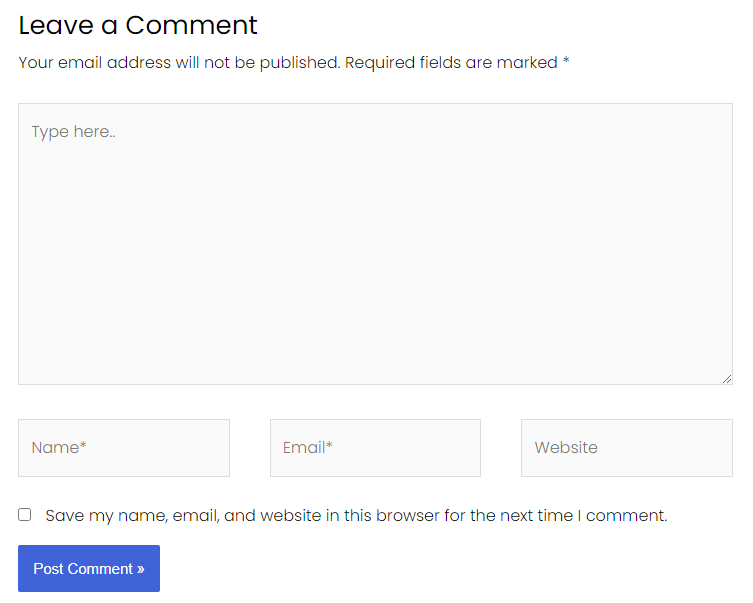
While many platforms have moved their conversations to social media, a thriving on-site comment section remains a powerful signal of authority and engagement.
It turns a one-sided lecture into a two-way dialogue.
When we ask what is a blog in the social evolution of the web, we see that it’s a community hub where the audience can provide feedback, ask follow-up questions, and validate the blogger’s expertise in real-time.
Are you ready to start a blog?
Start with Bluehost today and save 60% on your web hosting.
5. Middleman Between Search Engines & Audience
To master the concept of the modern blog, you have to understand the relationship between the search engine and the audience.
In this dynamic, the blog isn’t just a destination.
It’s the strategic middleman that facilitates the exchange of information.
This role is perhaps the most vital function of digital media today.
The Translation Gap
Search engines like Google or Bing are incredibly powerful, however they’re algorithm-driven machines.
They process keywords, backlinks, and crawls to determine the hierarchy of information.
On the other hand, the audience is driven by emotion, frustration, curiosity, and specific intent.
There is a massive, translation gap between what a user types into a search bar and the actual solution they need to solve their real-world problems.
Search engine’s goal is to provide the most relevant result to keep the user coming back, while the user wants an answer that is trustworthy, easy to read, and tailored to their unique situation.
The blog is the middleman that bridges this gap.
It takes the cold data requirements of the search engine (SEO) and wraps them in a warm, human narrative that the audience can digest.
When exploring what is a blog, we see it’s the interpreter that turns a search query into a human conversation.
Without the blog, the search engine would be a directory of empty links.
But without the search engine, the audience would be lost in a sea of unorganized data.
Information Noise
We’re currently living in an era of information overload.
If you search for a broad topic like “how to start a business,” Google will return over 9 billion results.
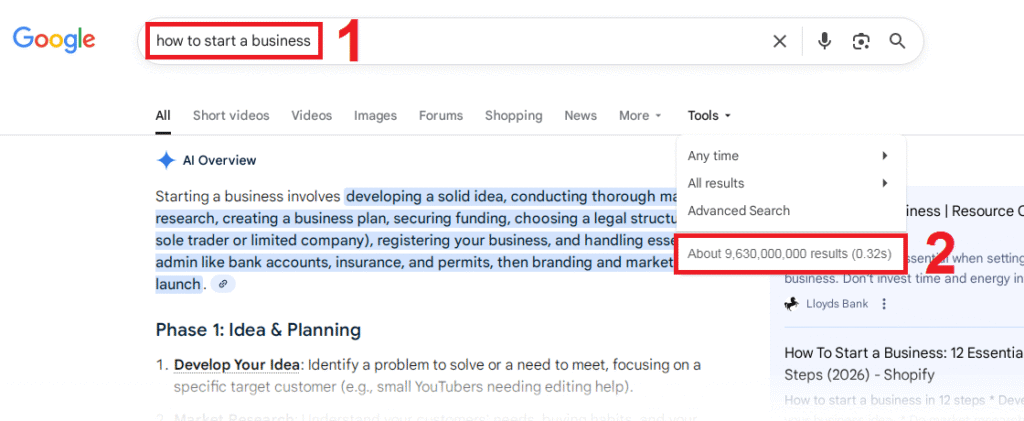
For a human, 9+ billion results are practically the same as zero results.
It’s overwhelming and paralyzing.
Here, the blog acts as the value-added middleman by performing a necessary filtering service.
The search engine sends the user to the blog because the blogger has done the hard work of synthesizing various pieces of information into an ultimate guide.
This process standardizes quality, creating a readable format with bullet points, headers, and images that a machine can’t write but can recognize as high-quality.
In turn, it creates a verification layer.
The audience trusts the search engine to find the information, but they trust the blog to tell them the truth.
To understand what is a blog in this capacity is to see it as a human guarantor.
The Broker Of The Internet
This middleman position is the most valuable real estate on the internet because the blog owns what is known as attention equity.
When a search engine successfully connects a user to a high-quality blog post, a three-way win occurs.
- The search engine wins because it provided a good result, ensuring the user returns to their platform.
- The audience wins because they saved time and solved their problem.
- Finally, the blog wins because it gains a reader, an email subscriber, or a financial commission.
By sitting between the algorithm and the user, the blog becomes the Broker of the Intent.
You aren’t just writing words, you’re offering a solution to a reader at the exact moment they’re looking for it.
Your blog is being vetted by the most powerful machines to solve a pain point, and that transition from searcher to reader is where all digital value is created.
Gatekeeper Role
Finally, we must acknowledge that being a middleman makes the blog a modern day gatekeeper.
In the old days of traditional media, newspaper editors and television executives decided what was news and what was worthy of public attention.

– Source: britannica
Today, bloggers with the help of keyword search tools decide what is “the best” in almost every category imaginable.
When a blog post ranks #1 for a specific search term, that blogger effectively controls what the audience sees and believes.
They decide which products are mentioned, which opinions are prioritized, and which companies receive the lion’s share of internet traffic.
This middleman power is exactly why blogging has matured into a multi-billion dollar industry.
It’s the power to influence the final click in the journey from a simple search query to a reader’s decision.
Ultimately, what is a blog if not the most influential steering mechanism in the history of human information?
Ready to start your own blog?
Start with Bluehost today and save 60% on your web hosting.
6. Different Types Of Blog
Just as a vehicle can range from a simple bicycle to a heavy-duty industrial truck, the modern blog has a spectrum of purposes, architectures, and business models.
Categorizing these blogs isn’t just an academic exercise.
It’s essential for understanding how the middleman blogging model adapts to different human needs and search intents.
1. Lifestyle Blog
This category is the modern, polished descendant of the original digital diary.
These blogs are cantered around an individual’s personality, daily experiences, and aesthetic choices.
While they may appear casual or spontaneous, successful lifestyle blogs are sophisticated businesses that act as a middleman for aspiration.

– Source: work-tops
They connect an audience that desires a specific lifestyle like minimal living, luxury travel, or conscious parenting with the brands that provide the tools to achieve it.
In this category, readers are looking for a human connection, a trusted, relatable filter who navigates the overwhelming world of consumer choices on their behalf.
2. Niche Or Authority Blog
The niche blog is arguably the most strategic type of blog in the current online landscape.
Unlike lifestyle blogs, these sites are hyper-focused on a single, narrow topic.
For example:
- Urban beekeeping.
- Credit card reward hacking.
- Or enterprise software security.
These platforms are the ultimate middlemen between search engines and the audience because they target high-intent queries with laser precision.
Google prioritizes these sites because they represent deep, specialized expertise.
For a consumer, the answer to what is a blog in this niche is clear.
It’s the definitive, authoritative manual that solves a specific problem with more depth and nuance than a general news outlet ever could.
3. Business Blog
For the modern enterprise, a blog is no longer an optional marketing add-on.
It’s a fundamental requirement for customer acquisition and retention.
Business blogs are used to educate potential clients, announce technical updates, and establish thought leadership within a competitive industry.
In this scenario, the blog acts as a strategic middleman between a company’s complex product and the customer’s need for a tangible solution.
It softens the traditional sales pitch by providing free, educational value long before a transaction occurs.
B2B buyers view blogs as a resource that proves a company’s competence and reliability before they ever commit to a contract.
4. Media Blog
Many of the world’s most influential media outlets, such as The Verge, Gizmodo, or TechCrunch, began as simple blogs before evolving into massive digital empires.
These platforms publish high-frequency content, often covering breaking news and industry trends in real-time.
They serve as the middleman for information, sitting precisely between the fast-moving events of the world and an audience that needs those events explained, and fact-checked.
5. Affiliate Or Review Blog
These blogs are built with a singular, transparent goal, to compare products and provide “Best of” lists for consumers ready to make a purchase.
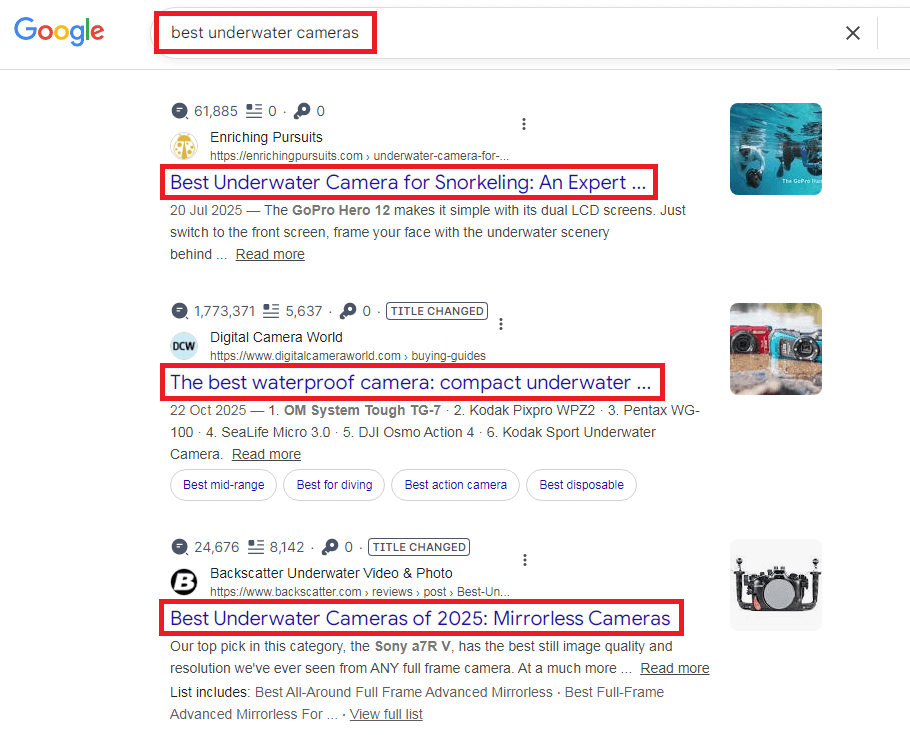
They represent the purest and most direct form of the middleman business blogging model.
The blogger performs the tedious, time-consuming work of testing dozens of products, and the reader reaps the benefit of that research.
The search engine facilitates this by sending users to these sites because they provide a vital filtering service in a crowded market.
Ultimately, when a shopper wants to know what is a blog, they see it as a buyer’s guide, a protective layer of human insight that helps them spend their money wisely.
Ready to start your own blog?
Start with Bluehost today and save 60% on your web hosting.
7. Blog Content Formats
The way you package your content determines how the search engines categorize your blog and how the audience consumes your expertise.
If you only write one type of post, you’re limiting your ability to bridge the gap between different types of searchers.
When we look at a blog in terms of output, we see a library of diverse formats, each designed to trigger a specific response, from immediate education to a final purchasing decision.
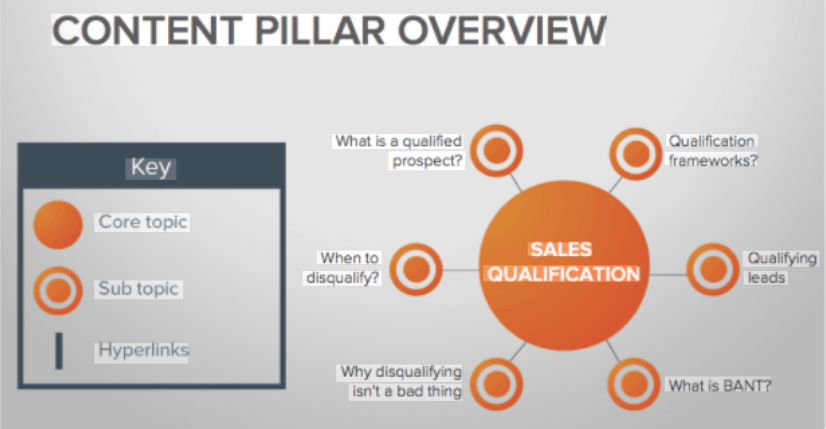
Ultimate Guide (Pillar Content)
The ultimate guide is the heavy hitter of the blogging world.
These are massive, long-form, comprehensive articles (often 5,000 to 10,000+ words) that aim to be the definitive answer on a broad topic.
Because they cover so much ground, search engines view them as high-authority pillars.
– Source: simplemarketingnow
For the reader, this format is the one-stop shop that saves them from having to click on ten different search results.
When a user lands on an ultimate guide, they see it as an encyclopaedia.
This format is essential for building topical authority, signalling to the algorithm that you aren’t just a casual observer, but a master of the subject matter.
Listicle (The Efficiency Format)
Despite being frequently mocked, the listicle (list + article) remains one of the most successful formats in history.
Why?
Because the human brain loves categorization.
Lists are easy to skim, easy to remember, and promise a specific quantity of value.
For example
“10 Ways to Save for a House”.
The listicle serves as an efficient filter.
It takes a chaotic world of options and organizes them into a numbered hierarchy.

If you ask a busy reader, what is a blog in this format; they will say it’s a time-saver, a shortcut that gives them the highlights without the fluff.
How-To Tutorial (The Problem Solver)
The “How-To” post is the backbone of informational intent.
These posts are designed to take a reader from a state of “I can’t do this” to “I just did this“.
They rely on step-by-step instructions, screenshots, and often video embeds.
As a blogger, the “How-To” post is where you build the most intense loyalty.
When you solve a frustrating problem for someone for free, you earn their trust instantly.
If you ask a DIYer what is a blog, they will point to a tutorial that saved them a $200 repair bill.
This format is the purest expression of the service aspect of the medium.
Product Review & Comparison
This is the transactional powerhouse.
In this format, the blogger tests products and provides an honest critique, often comparing two popular rivals.
For example:
“iPhone vs. Samsung”.
This is the final stage of the content-to-commerce pipeline, where the blog acts as a protective shield for the consumer’s wallet.
The search engine sends people here because they’re looking for a reason to buy (or not to buy).

In this high-stakes scenario, a blog is a buyer’s guide.
By providing the pros, cons, and a final verdict, it facilitates the commerce that keeps the digital economy moving.
Case Study (The Proof of Concept)
The case study is the most underutilized but powerful format for consultants and B2B bloggers.
It moves away from theory and into result-based reality.
By showing exactly how you (or a client) achieved a specific result, you provide social proof that is impossible to ignore.
This format satisfies the experience part of Google’s E-E-A-T guidelines perfectly.
It proves you aren’t just a writer, but a practitioner.
When a potential client asks what is a blog while reading a case study, they’re looking at a proof of competence that justifies the high fees or your product’s price tag.
Are you ready to start your blog?
Start today with Bluehost and save 60% on your web hosting.
8. The Blog As A Revenue Engine
Once we look past the blog as a creative outlet, we can analyze the financial mechanics that power it.
Then we realize that it’s a revenue engine that leverages trust to facilitate commerce.
In the middleman framework, apart from providing information, a blog captures high-intent traffic from search engines and converts that attention into capital.
This transformation occurs through several distinct layers of monetization, each relying on the blogger’s ability to guide the audience through a specific psychological journey from curiosity to transaction.
Content-To-Commerce Pipeline
The most powerful aspect of this business model is the content-to-commerce pipeline.
This is the systematic process by which a single post moves a reader from being problem aware to solution ready.
When a user searches for a solution to a specific pain point, such as “how to fix a slow laptop” or “best organic skincare for sensitive skin“, they’re entering the top of sales funnel.
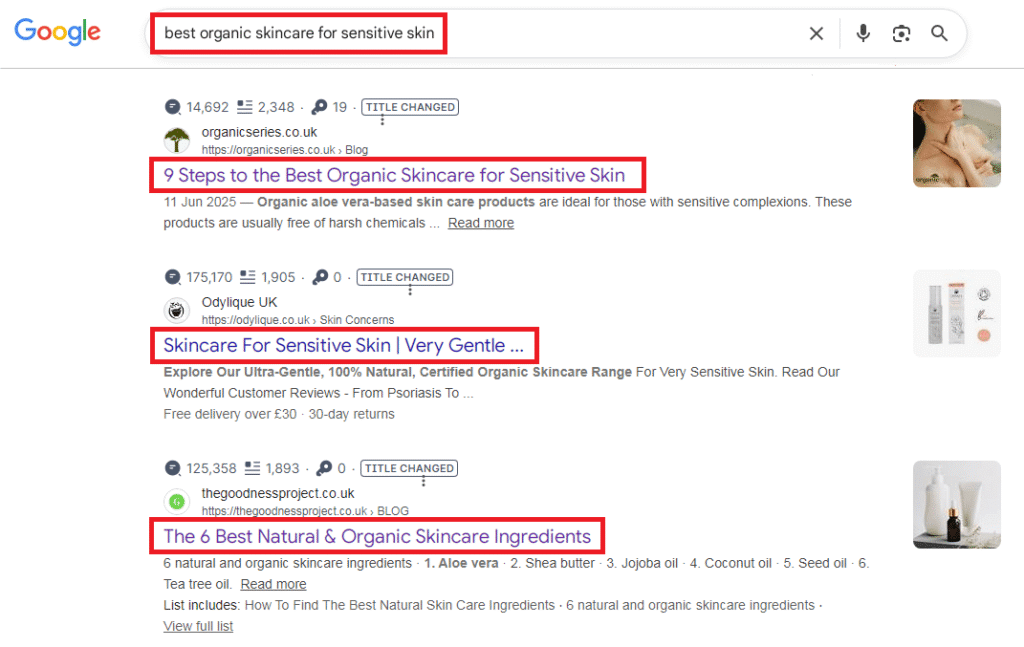
The search engine acts as the initial channel, but the blog is the vessel that carries them toward a final decision.
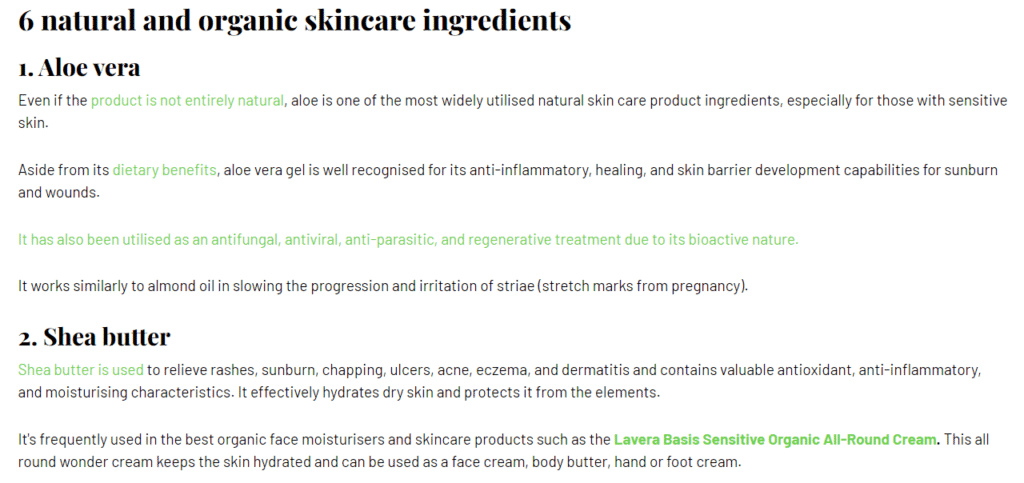
The blog post provides the education, context, and comparison data necessary for the reader to fully understand their problem.
– Source: thegoodnessproject
By the time they reach the end of the article, they have been moved from a state of confusion to a state of readiness.
If you ask a digital entrepreneur what is a blog?
They would say.
A high-conversion sales engine that operates 24/7, providing the exact information needed to turn a searcher into an informed buyer.
Affiliate Marketing
Affiliate marketing represents the purest form of the blog’s middleman role.
In this model, the blogger earns a commission by recommending products or services to their audience through trackable links.
However, the mechanics of this economy are built entirely on the foundation of trust.
If a blogger recommends a poor-quality product just to make a quick commission, they damage their reputation with both the audience and the search engine’s quality algorithms.
Therefore, the ethics of the recommendation economy require the blogger to act in a honest manner.
The blogger performs the research, testing, and comparison that the audience doesn’t have the time or resources to do themselves.
In this context, a blog is a specialized consulting service where the payment is facilitated through third-party commissions rather than direct fees.
This allows the information to remain free for the end-user while being highly profitable for the blog owner.
Diversified Monetization
The beauty of a blogging is that it doesn’t rely on a single source of income.
It utilizes a diversified portfolio of monetization strategies to ensure long-term financial stability.
1. This begins with display adverts, where the blogger sells space to ad networks like Google AdSense or Mediavine.
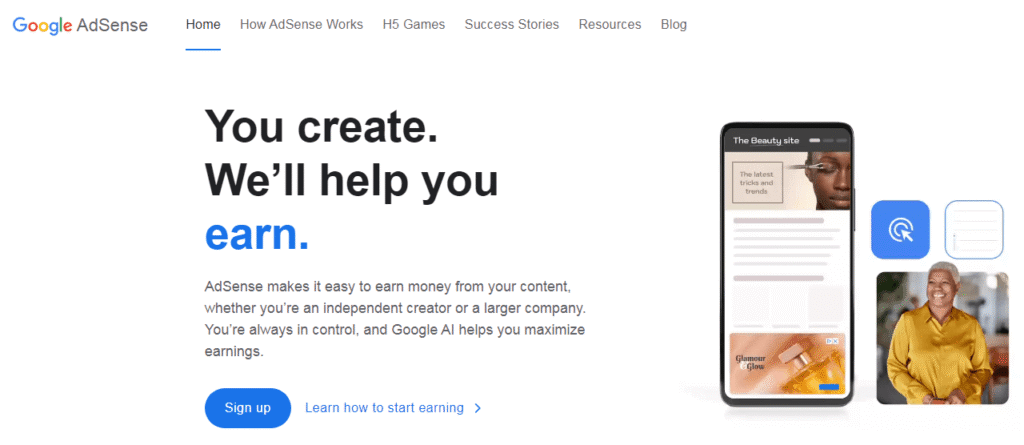
This is a volume-based game, where the search engine’s ability to drive massive traffic directly dictates the revenue.
2. Next is sponsored content, where a brand pays a flat fee to be featured in a post.
This is native advertising at its best, as the brand leverages the blogger’s unique voice to reach a targeted audience.
3. Beyond third-party revenue, the most successful bloggers create their own products and services.
This includes digital downloads, e-books, online courses, or physical products.
By selling directly to their audience, they cut out the external middleman and keep 100% of the profit.
4. Others use their blog as a portfolio to sell lucrative high-ticket services, such as consulting, coaching, or freelance speaking.
When we analyze the sheer breadth of these opportunities and ask what is a blog, we realize it is a multi-channel media conglomerate contained within a single domain name.
Owned Media
Perhaps the most critical argument for blogging in the age of social media is the concept of owned media.
Platforms like TikTok, Instagram, and YouTube are rented land.
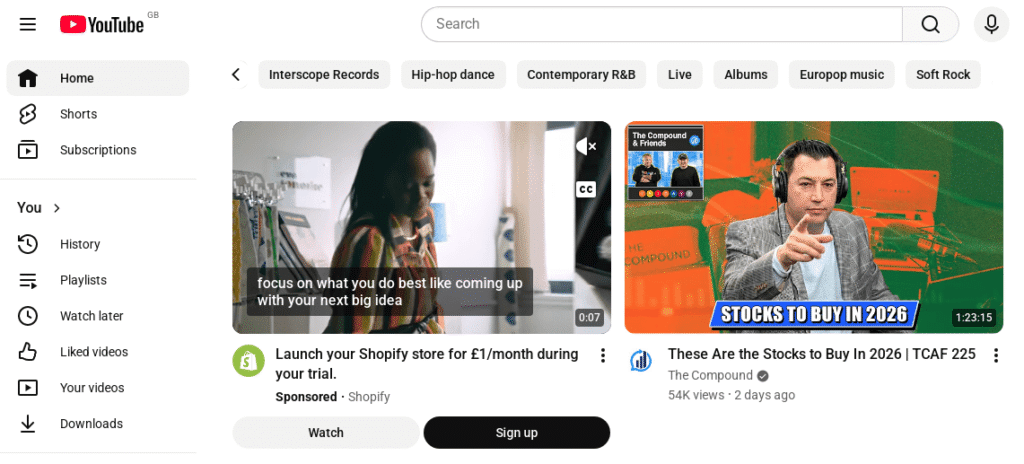
On these platforms, a creator is subject to the whims of an ever-changing algorithm that can de-prioritize their content, shadow-ban their account, or change monetization rules overnight.
You don’t own the platform.
A blog, however, is a stable business asset that the creator owns entirely.
While a social media post has a life of mere minutes or hours, a well-optimized blog post can continue to drive consistent traffic from search engines for years after it was originally published.
This longevity makes blogs a far more durable piece of digital real estate than any viral video or trending tweet.
Therefore, a blog is the home base of your online empire.
It’s the only place where you have total control over your data, analytics, audience relationship, and long-term financial destiny.
Ready to start your blog?
Get started with Bluehost today and save 60% on your web hosting.
9. How To Start A Blog
Moving from the conceptual understanding of what is a blog, to the actual execution requires a clear, technical roadmap.
Now that we have established the value of this digital real estate, we must look at the construction of the site.
Starting a blog as an online business isn’t about writing.
It’s about building a bridge that’s strong enough to handle the traffic from search engines and reliable enough to hold the trust of an audience.
1. Defining Your Niche
The first and most critical step is choosing your niche.
Your niche is the territory you intend to govern.
You must find a balance between your personal expertise and the search demand of the market.
If you pick a topic that is too broad, you will be crushed by massive media competitors.
But if you pick a topic too narrow, there won’t be enough traffic for the search engine to send your way.
To succeed, you must identify a specific problem that people are actively searching for and that you’re uniquely qualified to solve.
This stage is where you decide which specific translation gap you’re going to bridge, ensuring that there’s an audience waiting for your interpretation of the data.
You can read my full article on how to find a blog niche and dominate it.
2. Secure Your Domain & Hosting
Once you have a niche, you need to secure your digital property.
This involves two distinct components: domain name and web hosting.
Domain Name:
This is your address on the internet (www.YourSite.com).
It should be memorable, easy to spell, and reflective of your brand.
Web Hosting:
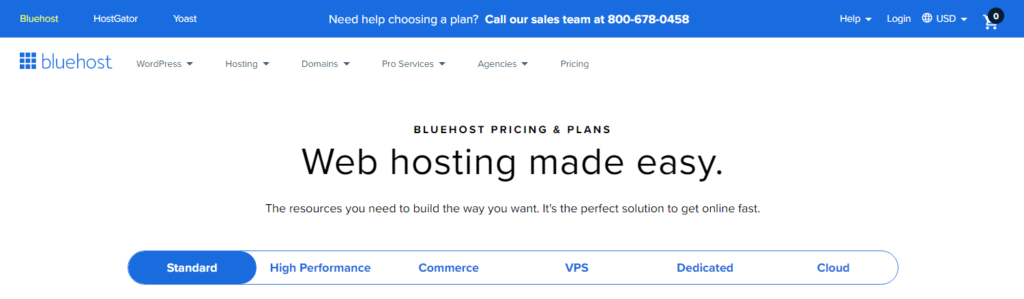
This is the physical server where your blog’s files live.
Think of the domain as the street address and the hosting as the land the house is built on.
Go to my best web hosting services article, to select your hosting.
Moreover, keep in mind that “free” hosting platforms are a trap.
To truly own your media, you must use self-hosted WordPress blog.
If you rely on a free service, you don’t actually own your content, and the platform can shut you down without notice.
When we look at the infrastructure of what is a blog, self-hosting is the only way to ensure you have full control over your monetization, SEO, and long-term business stability.
3. Blogging Platform
While there are dozens of website builders available, the gold standard for the middleman model remains WordPress.org (the self-hosted version).
The reason is simple: flexibility and SEO power.
WordPress allows you to install plug-ins, small pieces of software that add specific features like contact forms, SEO analyzers, and speed optimizers.
These tools are essential for satisfying the search engine’s technical requirements.
WordPress also provides the structural integrity required to scale from a single post to a massive authority site without having to rebuild the foundation.
4. Content Strategy
With the house built, you must now decide what the conversation will be.
This is your content strategy.
A common mistake is writing about whatever comes to mind.
Instead, a strategic blogger uses keyword research tools like Semrush to find out exactly what the audience is already asking the search engines.
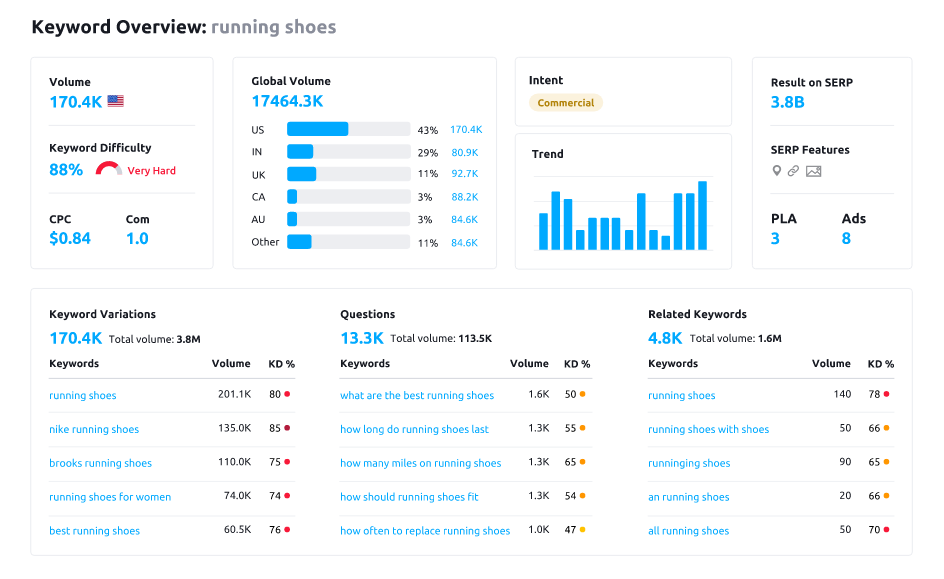
Your content strategy should involve a mix of:
- Pillar content: Massive, long-form 5,000+ word guides that cover a topic in-depth.
- Response posts: Shorter, punchy articles that answer specific, “long-tail” questions.
- Transaction posts: Reviews and comparisons designed to facilitate the final click and generate revenue via affiliate commission.
By mapping out your content in advance, you ensure that every word you publish serves a purpose.
You aren’t just adding to the noise, you’re filling a specific void in the search results.
Ultimately, when you implement a data-driven strategy, the definition of what is a blog shifts from a creative hobby to a precise mathematical formula for capturing and converting readers’ attention.
5. SEO & Analytics
Before you publish your first post, you must set up your tracking tools.
This includes Google Search Console and Google Analytics.
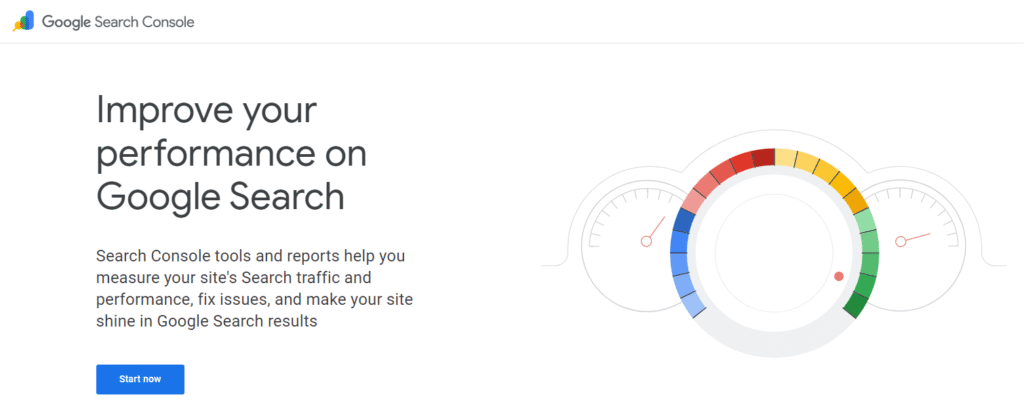
These tools allow you to see your blog’s performance in real-time.
You can see which keywords the search engine is using to find you and how the audience behaves once they arrive.
Without these analytics, you are flying blind.
You wouldn’t run a physical store without a cash register or a way to count customers, and you shouldn’t run a blog without data.
These technical foundations are what allow you to iterate and improve.
When you can see exactly which posts are working, you can double down on your success.
At this stage, you realize that what is a blog is actually a data-driven feedback loop that tells you exactly how to become more valuable to both the algorithm and the human reader.
Are you ready to start your blog?
You can start with Bluehost today and save 60% on your web hosting.
10. Psychology Of The Reader
Successful blogging requires a deep understanding of how the human brain interacts with digital information and how search engines measure that interaction.
When we think about a blog in terms of human behaviour, we’re describing a specialized interface designed to satisfy a specific psychological itch, the need for a trusted answer in an era of digital scepticism.
Hierarchy Of The Search Intent
The searcher’s Journey is defined by intent.
Before a user even clicks on your link, their brain has categorized their need into one of three primary buckets.
The blog serves as the ultimate middleman because it is the only content format flexible enough to address all three:
1. Informational Intent:
The user wants to learn something
For example: “how to bake sourdough”.
Here, the blog acts as the teacher.
2. Navigational Intent:
The user is looking for a specific site or page.
For instance, “log in to Chase Bank”.
3. Transactional Intent:
The user is ready to buy but needs a final confirmation.
A good example is a search for “the best wireless headphones in 2026″.
Furthermore, the most successful bloggers align their content with these specific psychological states.
If a user has informational intent, they don’t want a hard sales pitch, they want a clear, step-by-step guide.
By identifying these nuances, you move beyond the surface-level question of what is a blog and begin to see it as a precision-guided tool for matching human desire with the appropriate digital response.
If your goal is to make money blogging, publish 20% informational and 80% transactional blog posts.
This is the optimal formula for generating blogging revenue.
The Skimming Culture
Nowadays users don’t read blogs in the traditional sense.
They scan them.
Eye-tracking studies have consistently shown that users follow an F-shaped pattern.
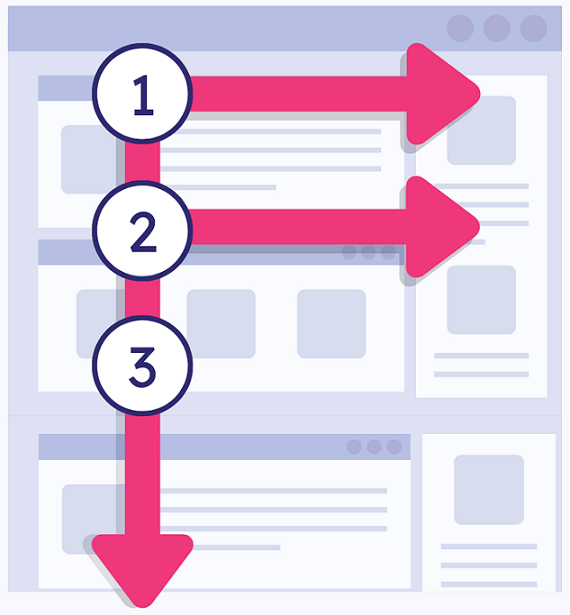
-Source: idhlagency
They read the top headline, the first few lines, and then scan down the left side of the page for keywords, subheadings, and bullet points.
To accommodate this, your blog must utilize skimmable formatting.
This includes:
- Heavy use of white space to prevent eye fatigue.
- Bolding of key phrases to guide the eye.
- And short, punchy paragraphs.
- Use bullet points.
- Include images.
If your content is a wall of dense text, the reader’s brain will reject it, regardless of how good the information is.
In this regard, what is a blog can be defined as a visual map of information, a layout that allows a user to extract 80% of the value with only 20% of the effort.
Trust Factor
There is a profound psychological reason why 70% of consumers prefer getting to know a company via articles rather than traditional adverts.
An ad is a forced interruption.
While an article is a chosen destination.
When a user finds a blog post through a search engine, they feel they have discovered the information themselves.
This creates a discovery high that fosters immediate trust.
The blog leverages this psychology to build authority.
Unlike a salesperson who is clearly biased, a blogger who provides “free” value through a comprehensive guide is perceived as a helpful peer.
SEO & Distribution Ecosystem
If the psychology of the reader determines engagement, then the SEO ecosystem determines discovery.
To be a successful blogger, you must maintain a healthy relationship with the search engine, specifically Google by adhering to their evolving standards of quality.
Google Relationship
Search engines have moved beyond simple keyword matching.
Today, they prioritize E-E-A-T: Experience, Expertise, Authoritativeness, and Trustworthiness.
- Experience: Do you have “first-hand” knowledge of the topic?
- Expertise: Are you a recognized professional in this field?
- Authoritativeness: Do other reputable sites link to you?
- Trustworthiness: Is your site secure, transparent, and accurate?
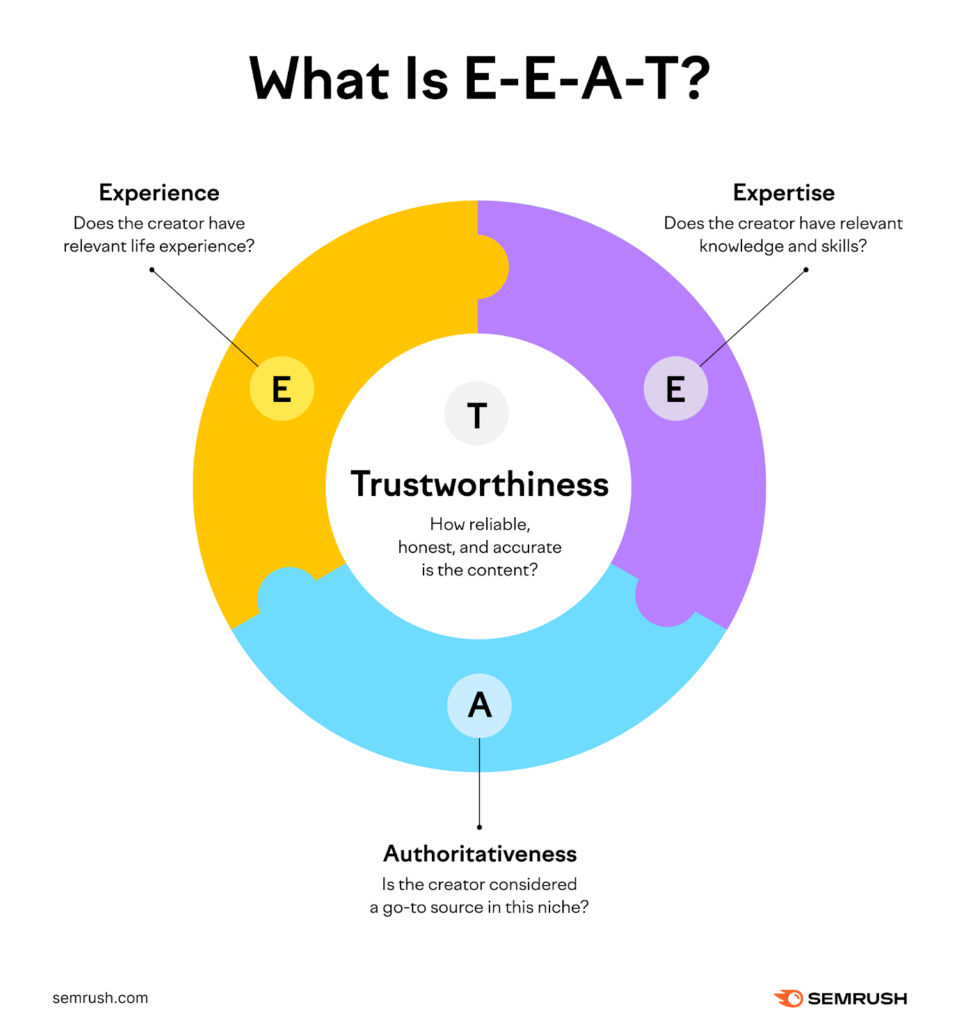
Google uses these metrics to decide which blog post is worthy of the top spot.
When you optimize a post, you aren’t just stuffing keywords.
You’re proving to the algorithm that you’re the most reliable source for the user.
If a beginner asks what is a blog in the eyes of Google, the answer is a verifiable unit of authority.
You’re essentially auditioning to be the search engine’s preferred partner for a specific set of human questions.
The Lifecycle Of A Post
A blog post isn’t a set it and forget it type of content.
To maintain its value over time, it goes through a continuous lifecycle:
- Writing: Creating the initial translation from data to narrative.
- Optimizing: Ensuring the technical structure (H1 tags, meta descriptions) is perfect for the machine.
- Publishing: Launching the content to the world.
- Promoting: Distributing the post via email and social media to jumpstart the traffic.
- Updating: Returning to the post every 6–12 months to refresh the data and maintain relevance.
This final stage, updating is where the most successful bloggers win.
Information decays over time.
A guide on what is a blog written in 2020 is nearly obsolete by 2026.
By treating your posts as living documents, you ensure that the bridge you’ve built between the search engine and the audience never collapses.
You’re not just a writer; you’re a creator of a permanent digital archive that grows in value and authority every year it remains active.
Ready to start blogging?
Start with Bluehost today and save 60% on your web hosting.
11. The Future Of Blogging
As we look toward the horizon of the digital landscape, it’s clear that the blogging is undergoing its most radical transformation since the invention of the RSS feed.
We are moving away from a text-only world and into a multifaceted authority content.
In this new era, the role of the blog is becoming even more critical, as the sheer volume of information requires more sophisticated filters.
When we ask what is a blog in the context of 2026 and beyond, we are no longer describing a simple webpage.
We’re describing a multi-channel ecosystem that integrates artificial intelligence, immersive video and direct-to-consumer community building.
The AI Revolution
The rise of generative AI and search generative experiences (SGE) has fundamentally changed how users interact with information.
AI chatbots can now answer simple queries directly on the search results page, which has led many to fear the death of the click.
However, AI isn’t a creator.
It’s a synthesizer.
AI requires ground truth data to function.
This is where the blog finds a new, higher-level purpose.
While AI can answer what is a blog, it can’t provide a first-hand account of an emotional journey, nor can it provide real-time testing of a new piece of software.
The future of blogging belongs to those who provide new, unique data and perspectives that AI hasn’t already indexed.
In this ecosystem, a blog acts as the primary source of truth that feeds the AI, ensuring that the creator remains the indispensable origin point of all digital knowledge.
Multimedia Fusion
The boundary between writing a blog and making a video has effectively dissolved.
Today’s most successful creators understand that the audience is divided by their consumption preferences:
- Some want to read.
- Others prefer to listen.
- And some want to watch.
To be an effective blogger, you must meet the audience wherever they are.
This has led to the rise of the Vlog integration, where a high-quality video is embedded directly into a written post.
This fusion satisfies both the human desire for visual connection and the search engine’s desire for rich media.
When a user lands on a site, they see a comprehensive hub where a deep-dive essay is supported by a 10-minute YouTube video and a 60-second TikTok summary.
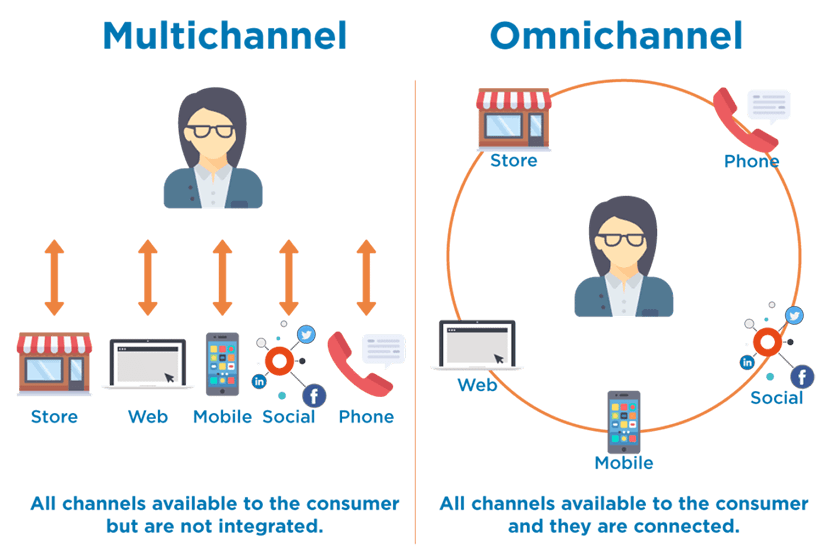
This omnichannel approach ensures that you capture the maximum amount of attention equity, regardless of how the user prefers to learn.
Community-Led Growth
One of the most significant shifts in the blogging model is the move toward community-led growth.
For years, bloggers were at the mercy of the “Google Landlord.”
If the algorithm changed, their business could vanish.
The future of the blog lies in direct-to-consumer (DTC) relationships.
This involves using the blog as a lead-generation tool to move readers into private communities, such as newsletters, Discord servers, or Slack channels.
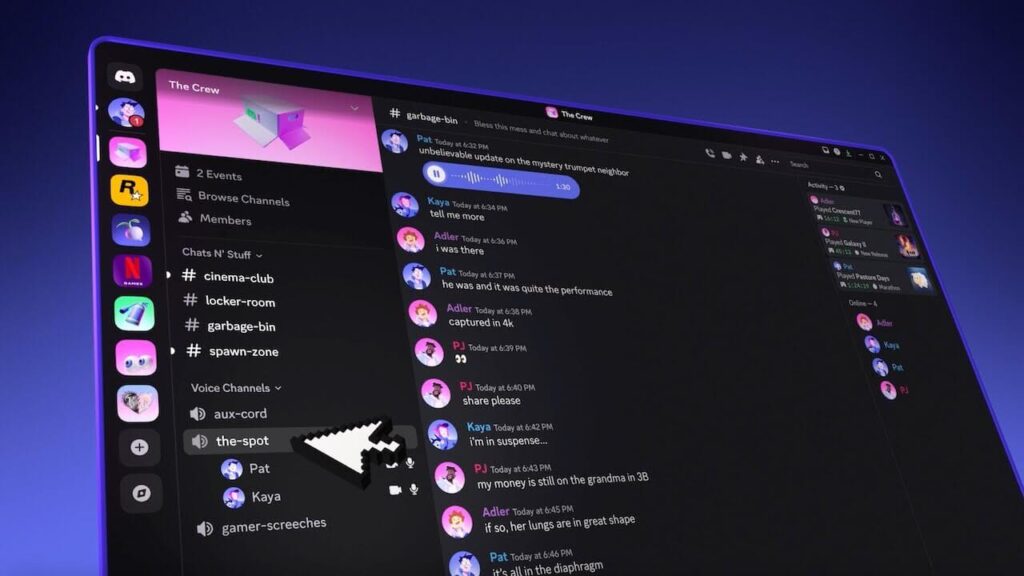
In this model, the blog is the top-of-funnel discovery mechanism, while the community is where the long-term value is built.
When you own the email address and the direct line of communication, you are no longer just a middleman for a search engine.
You’re a leader of a movement.
If you ask a loyal subscriber what is a blog to them, they won’t describe a search result.
They’ll describe the gateway to a community that provides them with ongoing support and exclusive expertise.
The Human Advantage
As the internet becomes flooded with AI-generated content, human experience has become the rarest and most valuable commodity.
This is reflected in Google’s emphasis on E-E-A-T (Experience, Expertise, Authoritativeness, and Trustworthiness).

The future of blogging is deeply personal.
Readers are no longer looking for generic information.
They want a point of view that they can trust.
The blog post of the future is an experience report.
It’s the story of a human being who has been there and done that.
This human element is the one thing that an algorithm cannot replicate.
When we contemplate the question of what is a blog in an AI-saturated world, the answer is a human-verified reality.
By leaning into your unique voice, your failures, and your specific professional triumphs, you create a fence around your business that no machine can cross.
Are you ready to start your blog?
Get started with Bluehost today and save 60% on your web hosting.
What Is A Blog: Final Thoughts
The blogging as a middleman between the search engines and the audience is not dying, it’s maturing.
It’s evolving from a simple chronological log into the most powerful personal and professional marketing tool ever created.
By sitting at the intersection of search intent and human experience, the blogger remains the ultimate broker of the internet.
Whether you’re using text, video, or AI-assisted data, your goal remains the same, to be the most helpful, most trusted bridge in your chosen niche.
In the end, the definition of what is a blog is limited only by the value you’re willing to provide to the world.
Disclaimer: This article contains affiliate links. If you sign up for a paid plan through my links, I may receive small compensation at no cost to you. You can read my affiliate disclosure by going to my privacy policy. This blog is for informational purposes only and does not constitute financial advice.
What Is A Blog: Recommended Articles
Here are some recommended articles on MonetizingOnline.com that will help you sharpening your blogging skills further: